Supply chains are judged on two things that seem to fight each other: speed and stability. Cross docking is one of the few operational choices that genuinely improves both, provided it is set up with discipline. Instead of storing freight in a warehouse for days, a cross dock facility transfers inbound product to outbound trailers within hours, often minutes. That shift in handling has a ripple effect on cost, cycle time, working capital, damage risk, and even customer service.
The benefits are real, but they are not automatic. Over the years, I have seen cross docking become a profit engine for shippers with the right SKUs and network, and a source of headaches for those who tried to push every product through a flow built for the few. The difference usually comes down to fit, planning, and execution.
What cross docking really changes
A traditional warehouse trades time for certainty. You receive, check, store, pick, and ship. Every touch adds labor and every day in storage adds cost, yet it also buys flexibility because orders can be assembled later. Cross docking flips that logic. You match inbound freight to outbound demand as it arrives, then move it through a short wave of staging instead of storage. When done correctly, you reduce two or three touches and compress days into hours.
At a practical level, the cross dock is a timing engine. It relies on pre-allocated orders, appointment-driven inbound, clear labeling, and staged outbound capacity. The faster the handoff, the more you save. If you let product linger, the benefit erodes and you start paying for storage in a building designed for flow.
Speed to shelf and speed to cash
A retailer with weekly promotions will tell you how punishing delays can be. I worked with a regional chain that ran Sunday circulars for household goods. They used to receive pallets on Wednesday, store them, then pick mixed pallets Friday for store delivery. When they moved those promotional SKUs through a cross dock warehouse, the same pallets arrived Thursday morning and left on afternoon routes, ready to sell by Saturday. They cut 2 days from the cycle. Sales lift came from not missing the first weekend of the promo, which was the highest volume window.
Manufacturers feel the same gain, but on the cash side. If you produce to order or on a short forecast, reducing a week of warehouse dwell accelerates invoicing. For high velocity items, I have seen cross docking shave 3 to 5 days from order-to-cash without any extra capital, just better coordination.
Lower handling cost without starving visibility
Warehousing labor adds up in quiet ways. Each pallet you put away, then later pick, costs touches. Cross docking takes those touches out. If you handle a pallet once on the inbound and once on the outbound, you avoid the putaway and retrieval steps entirely. For case-level or each-pick operations, the math changes a bit, but the same principle applies when you can flow through by layer or case.
There is a trade-off. Visibility and accuracy do not come for free. You need process control to ensure that skipping storage does not mean skipping checks. Barcode scans on arrival, license plates on pallets, and a simple but disciplined staging map prevent misroutes. The best cross docking services use light technology: handheld scanners, mobile printers, and a cross dock module in the WMS or TMS. Full-blown automation is optional. What augecoldstorage.com cross dock warehouse san antonio tx matters is that every touch has a scan and every stage has a lane location that ties back to orders.
Inventory shrink and damage decline when freight stops sitting
Every day product sits, it risks damage from forklifts, bad stacking, or environmental drift. Food and beverage are obvious examples, but even nonperishables warp or scuff. Cross docking reduces dwell time, which reduces incidental damage. When we shifted an appliance distributor to flow-through for the top 50 moving SKUs, claims dropped by about 30 percent on those items. The cause was simple: fewer trips across the floor, fewer racks, less time sitting.
Shrink is also easier to control in a cross dock facility because product is either in receiving or in shipping, not deep in storage aisles. Exceptions stand out. If something lingers for more than a shift, it triggers a review, and staff can find it in a small staging footprint rather than hunting a cavernous warehouse.
Space is not storage, it is flow
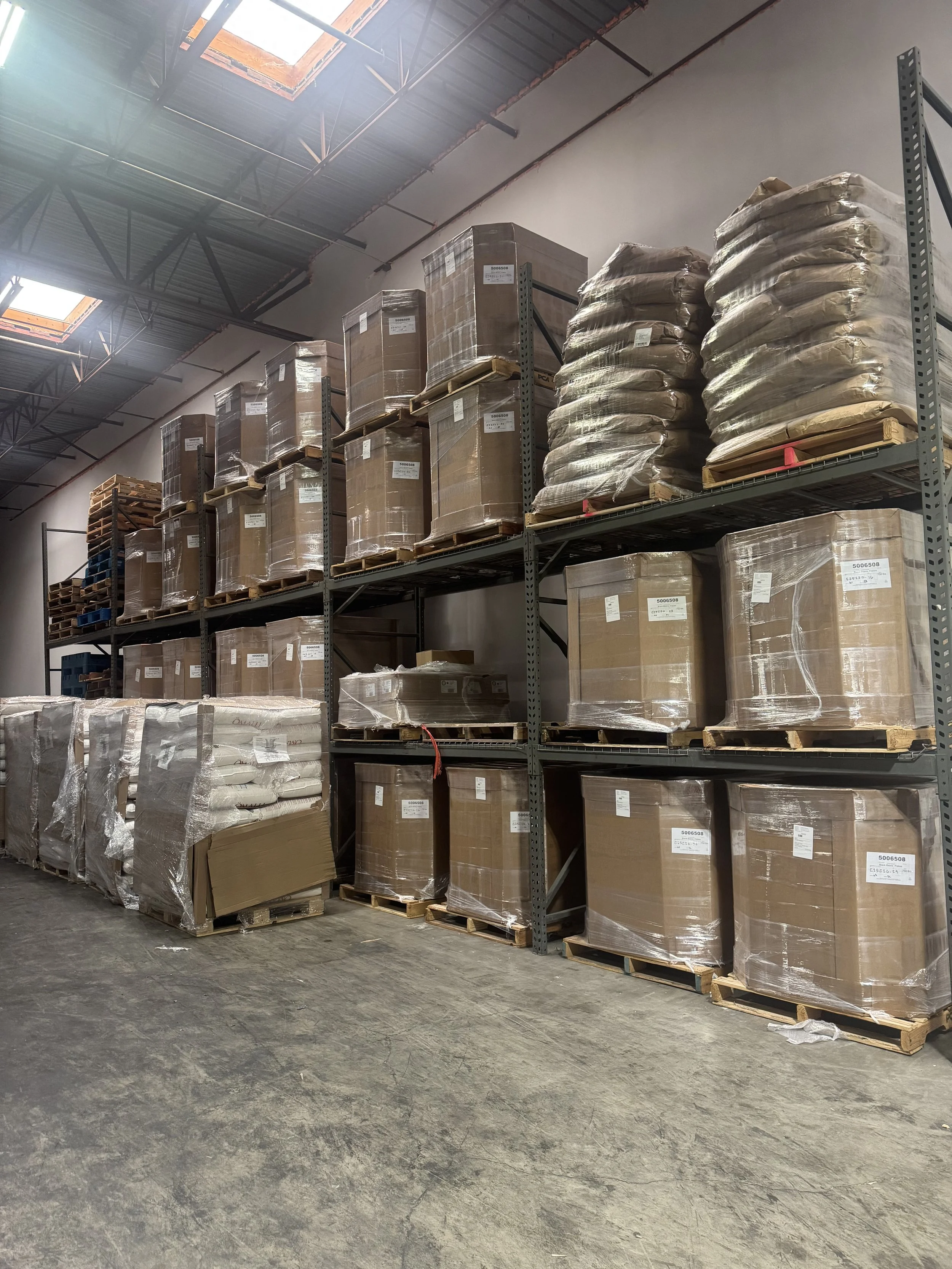
A mistake I see with first-time adopters is treating a cross dock like a half-empty warehouse. Floor space that looks open becomes an invitation to store slow movers. The benefit comes from keeping lanes clear and staging short. If you convert a section of a traditional building to a cross dock, mark wide, numbered lanes that run perpendicular to outbound doors. Resist racking unless you need a small buffer rack for fast movers that miss their first outbound cut.
A true cross dock warehouse near me that runs cleanly usually operates well below its theoretical storage capacity. That is the point. Productivity comes from velocity, not cube utilization. When your team measures success in hours of dwell rather than pallets in storage, behavior changes in the right direction.
Transportation synergy that actually shows up on the P&L
Cross docking shines when it bridges transportation modes. The classic example is consolidating LTL shipments into full truckloads, then deconsolidating near the customer. If you have vendors shipping partials to your cross dock facility, you can bundle those into full loads by destination region. That cuts linehaul rates and often shortens transit time by one to two days.
The reverse works as well. For e-commerce and small-format retailers, a cross dock facility can take in full truckload inbound from a manufacturer, then break down by stop and push to parcel or final mile carriers the same day. You pay less on the long leg and get the flexibility of small package on the last leg. The net savings often sits in the 5 to 15 percent range of total transportation spend for the SKUs that fit, depending on density and lane balance.
When cross docking fits and when it does not
Not everything belongs in a cross dock flow. Predictable, high-velocity items that arrive in clean, labeled pallets are ideal. So are promotional or seasonal programs with tight windows. Items that require kitting, value-added services, or heavy quality inspection belong in a different stream. Slow movers should not clog lanes. Temperature-controlled freight can be cross docked, but you need proper dock configuration and fast turns.
The best operators split their network into two streams: flow-through for the 20 percent of SKUs that drive 80 percent of volume, and conventional warehousing for the rest. That hybrid avoids the trap of forcing misfit products into a fast lane that does not suit them.
Data discipline makes the flow possible
Talk to any veteran dock supervisor and you will hear the same refrain: it is not the forklifts that make or break the day, it is the paperwork. Cross docking depends on knowing what will arrive and where it needs to go before it hits the door. That means:
- Advanced shipment notices with pallet IDs and case counts. Pre-allocated orders so outbound lanes are assigned ahead of time. Tight appointment windows and carrier compliance. Simple exception codes with a clear path: hold, rework, return, or divert.
Those four elements turn a chaotic dock into a reliable flow. When two of them are missing, staging areas bloat and the advantages fade. If your vendors or carriers cannot consistently provide solid ASNs, consider a pilot with the ones who can, then expand as you build shared habits.
Real-world staffing and training
A cross dock lives and dies by cross-trained crews. You want handlers who can receive, scan, and stage on the morning shift, then switch to loading and documentation in the afternoon. That flexibility smooths peaks and valleys. Incentives tied to dwell time and error-free loads work better than metrics tied to pallets per hour alone, because they emphasize flow quality, not just speed.
The learning curve is short if you keep the rules simple. Color-coded placards for outbound lanes, big lane numbers painted on the floor, and a two-scan rule for every transfer cut down on mistakes. New hires often acclimate in a week if supervisors keep the floor organized and resist special cases that bypass the system.
Technology that earns its keep
There is a temptation to over-automate cross docks. Before you install sortation, try handheld scanners, mobile printers, and a WMS or TMS with a cross dock module. You need:
- License plate tracking at the pallet or case level. Simple wave planning tied to outbound carriers and cut times. Real-time lane visibility on a monitor at the dock. Exception capture with photos for OS&D.
These tools are inexpensive compared to conveyors and AS/RS systems, and they deliver most of the value. Automation makes sense when volumes exceed manual sorting speed or when labor is consistently tight. Even then, design for fault tolerance. The best systems allow a quick switch back to manual lanes during an outage.
How cross docking supports omnichannel promises
Retailers using store replenishment, e-commerce fulfillment, and click-and-collect need flexible nodes. A cross dock facility can act like a pressure valve. When an e-commerce DC is flooded, you can divert certain SKUs to a cross dock and feed parcel carriers on a later cut, keeping delivery promises without overloading a single site. During holiday peaks, some chains run temporary cross docks in tented areas or leased buildings to handle gift wrap bundles, promotional kits, and returns triage. The cost is minimal compared to a permanent DC expansion, and you shut it down when peak ends.

Choosing the right location matters
If you are evaluating a cross dock warehouse near me, look for proximity to major interstates and parcel hubs. The shorter the dray from the inbound carrier to your cross dock, the better. If your customer base sits in South Texas, a cross dock warehouse San Antonio TX can be a smart choice because it connects I-10, I-35, and I-37, which gives reach east to Houston, north to Austin and Dallas, and south to Laredo and the border. The right address can shave hours off outbound runs and open later cut times for parcel integration.
For businesses that import through Houston or Laredo, a cross dock facility San Antonio TX is often the sweet spot. Inbound trailers can arrive mid-morning, freight can cross dock by early afternoon, and outbound can leave in time to hit next-day store deliveries across central Texas. If your operations are farther afield, the same principle applies: park your cross dock at a highway nexus with access to the carriers you use most.
The local edge: what to expect from cross docking services near me
Local operators can adapt faster than national networks when the unexpected happens. Storms, festival traffic, and road closures can throw off appointment schedules. A seasoned local team knows alternative routes and carrier supervisors by name. If you search for cross docking services near me, ask about after-hours access, drop trailer policies, and weekend cut times. The strongest partners will offer flexible windows and real-time updates rather than rigid slots that punish minor delays.
For shippers in Bexar County and surrounding areas, cross docking services San Antonio should bring customs experience for border-related freight, bilingual dock leads, and relationships with both LTL carriers and regional couriers. These details may sound small, but they save hours during disruptions.
Metrics that tell the truth
Dashboards can mislead if they reward the wrong behavior. The following measures usually reveal real performance:
- Average dwell time per pallet or case, from scan-in to scan-out. Percentage of freight that flows same-shift versus overnight. Misload rate per thousand units, with photos for each exception. On-time outbound departure versus scheduled cut. Labor hours per 1,000 units flowed, split by receiving and shipping.
Watch trends by customer or SKU family. An increasing dwell time often signals bad ASNs or unaligned outbound capacity. A rising misload rate usually traces back to lane congestion or label quality.
How small design choices prevent big problems
Label placement: Put receiving labels in the same corner on every pallet. When pallets face different ways, loaders waste seconds per check that add to minutes per trailer.
Lane design: Angle lanes slightly toward outbound doors to reduce wheel turns. It sounds trivial until you multiply by 2,000 pallets per day.
Door assignment: Keep consistent door-to-lane relationships so muscle memory aids accuracy. If door 16 always feeds lanes 30 to 39, loaders get faster and make fewer mistakes.
Cut times: Stagger outbound cuts by carrier. Do not set your top three carriers to the same 5 p.m. cut if you only have two forklifts that can keep pace in the final hour.
The financial lens: where the savings appear
Savings do not always show up in a single line item. Expect reductions in monthly storage charges, fewer accessorials from LTL carriers due to better consolidation, lower claim payouts from damage, and fewer overtime hours. On the cost side, you may pay a modest premium for same-day labor or technology. When we modeled a medium-volume consumer goods operation, the net savings on qualified SKUs was roughly 8 to 12 percent of their end-to-end logistics cost, even after adding scanning gear and seasonal staffing. Your mileage will vary, but the pattern is consistent if you control scope and keep the flow tight.
Seasonal and promotional agility
Cross docks earn their keep during peaks. Back-to-school, Black Friday, and spring launches compress demand into short bursts. A cross dock can add swing capacity without building new storage. You bring on temporary labor, extend dock hours, and flex lanes. One apparel client used a temporary cross dock to handle 150 stores worth of promotional endcaps. They pre-labeled cartons by store at the vendor, then flowed them in waves through a leased facility for three weeks. Trucks left same day with store-ready pallets. After the peak, the site shut down and the cost disappeared with it.
Risk, compliance, and insurance considerations
Flow does not excuse control. Carriers should sign in and park in designated areas with clear yard rules. Cameras on dock doors help with OS&D disputes. If you handle food, confirm FSMA compliance and keep cold-chain monitoring on every temperature-controlled load. For hazmat, dedicate lanes with proper segregation and make sure your team has current certifications. Insurance carriers like the predictability of a disciplined cross dock. They dislike improvisation. Document the process, train to it, and audit quarterly.
What a strong partner looks like
When you vet a cross dock warehouse, ask to walk the dock during a live shift. You are looking for clean floors, readable lane numbers, visible scanners in hands, and supervisors who can explain exceptions without hunting through email. If you are evaluating a cross dock warehouse San Antonio TX, meet the night shift lead as well as the day shift. Nights is where cut times get tight and where you will see whether the operation holds together under pressure.
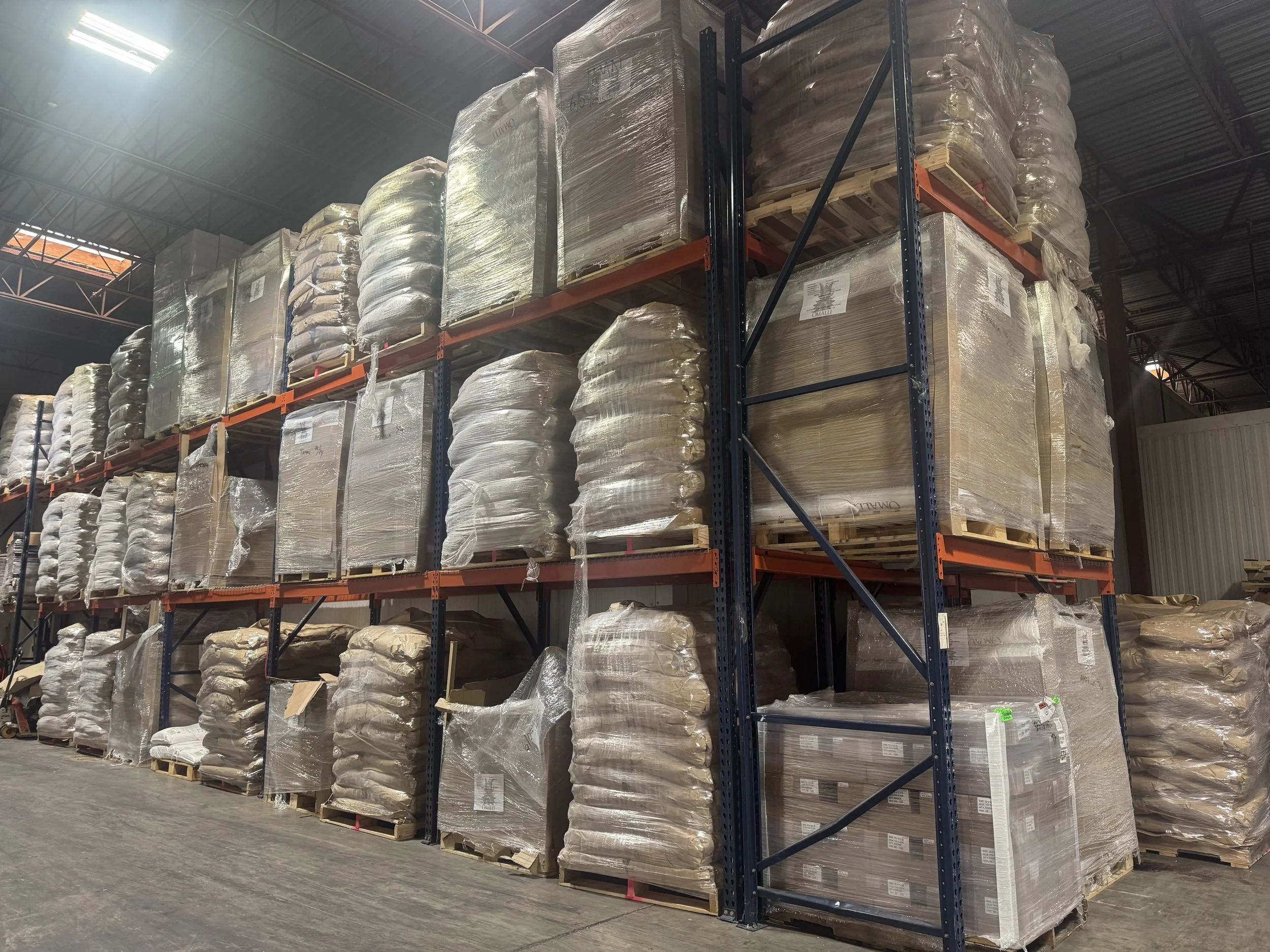
Quality cross docking services include simple rate structures that align to your volumes: per pallet or per case in and out, plus a transparent fee for value-adds like stretch wrap, relabeling, or rework. Complicated, opaque fees are a warning sign. So are overloaded staging areas. If the floor looks like long-term storage, the facility is not practicing true cross docking.
Starting small and scaling what works
If you are new to cross docking, begin with a pilot. Choose five to ten SKUs, confirm vendor label standards, set up ASNs, and define outbound cuts. Track dwell time and misload rate for 30 days. Once you hit your targets, expand to the next tranche of volume. Resist the urge to push low-velocity, problematic items into the flow just to raise throughput. Let the flow earn its way.
For shippers seeking cross docking services San Antonio, pilots often run smoother because of consistent regional freight patterns and a deep carrier base. But the recipe is the same in any market: clear scope, tight data, disciplined lanes, and cooperative partners.
The human side: fewer firefights, better days
Dock work can become a constant scramble when inbound surprises collide with rigid outbound schedules. Cross docking, when properly planned, actually reduces chaos. Crews know what is coming and where it goes. Supervisors spend less time chasing pallets and more time managing exceptions. Drivers appreciate short dwell times and clear instructions, which helps with carrier relationships and driver retention. These soft gains translate into fewer late-night calls and lower turnover.
Where the model extends: returns and reverse logistics
People often overlook the reverse flow. A cross dock can triage returns by routing salvage to secondary markets, warranty items back to manufacturers, and resalable goods to the DC. You keep returns out of your primary pick faces and reduce congestion. If you add light inspection and grading, the cross dock becomes a sorting node that feeds the right channel without clogging the main network.
Bringing it together
Choosing a cross dock facility is less about a building and more about a way of operating. The physical layout is straightforward: doors, lanes, scanners. The gains come from sharp timing, data discipline, and a network designed for flow. When you get those pieces right, you move product faster, you touch it less, and you spend your budget on transportation that moves freight instead of storage that holds it.
If your business footprint sits in South Texas or you run lanes that pass through the region, a cross dock facility San Antonio TX can deliver those benefits with the added advantage of proximity to key interstates and border flows. If you are elsewhere, the same logic applies: pick a node near your carriers and customers, demand clean ASNs, train a cross-functional crew, and keep lanes clear.
The promise of cross docking is not magic. It is the practical payoff of making flow the priority and refusing to let slow processes and clutter steal time from your customers. When you do that, speed and stability stop fighting each other, and they start working on the same side of your ledger.
Business Name: Auge Co. Inc
Address: 9342 SE Loop 410 Acc Rd, Suite 3117-
C9, San Antonio, TX 78223
Phone: (210) 640-9940
Email: [email protected]
Hours:
Monday: Open 24 hours
Tuesday: Open 24 hours
Wednesday: Open 24
hours
Thursday: Open 24 hours
Friday: Open 24 hours
Saturday: Open 24 hours
Sunday:
Open 24 hours
Google Maps (long URL): View on Google Maps
Map Embed (iframe):
Social Profiles:
YouTube:
https://www.youtube.com/channel/UCuYxzzyL1gBXzAjV6nwepuw/about
Auge Co. Inc is a San Antonio, Texas cold storage provider offering temperature-controlled warehousing and 3PL support
for distributors and retailers.
Auge Co. Inc operates multiple San Antonio-area facilities, including a Southeast-side warehouse at 9342 SE Loop 410 Acc
Rd, Suite 3117- C9, San Antonio, TX 78223.
Auge Co. Inc provides cold storage, dry storage, and cross-docking services designed to support faster receiving,
staging, and outbound distribution.
Auge Co. Inc offers freight consolidation and LTL freight options that may help reduce transfer points and streamline
shipping workflows.
Auge Co. Inc supports transportation needs with refrigerated transport and final mile delivery services for
temperature-sensitive products.
Auge Co. Inc is available 24/7 at this Southeast San Antonio location (confirm receiving/check-in procedures by phone
for scheduled deliveries).
Auge Co. Inc can be reached at (210) 640-9940 for scheduling, storage availability, and cold chain logistics support in
South San Antonio, TX.
Auge Co. Inc is listed on Google Maps for this location here: https://www.google.com/maps/search/?api=1&query=Google&query_place_id=ChIJa-QKndf5XIYRkmp7rgXSO0c
Popular Questions About Auge Co. Inc
What does Auge Co. Inc do?
Auge Co. Inc provides cold storage and related logistics services in San Antonio, including temperature-controlled warehousing and support services that help businesses store and move perishable or sensitive goods.
Where is the Auge Co. Inc Southeast San Antonio cold storage location?
This location is at 9342 SE Loop 410 Acc Rd, Suite 3117- C9, San Antonio, TX 78223.
Is this location open 24/7?
Yes—this Southeast San Antonio location is listed as open 24/7. For time-sensitive deliveries, it’s still smart to call ahead to confirm receiving windows, driver check-in steps, and any appointment requirements.
What services are commonly available at this facility?
Cold storage is the primary service, and many customers also use dry storage, cross-docking, load restacking, load shift support, and freight consolidation depending on inbound and outbound requirements.
Do they provide transportation in addition to warehousing?
Auge Co. Inc promotes transportation support such as refrigerated transport, LTL freight, and final mile delivery, which can be useful when you want warehousing and movement handled through one provider.
How does pricing usually work for cold storage?
Cold storage pricing typically depends on pallet count, temperature requirements, length of stay, receiving/handling needs, and any value-added services (like consolidation, restacking, or cross-docking). Calling with your product profile and timeline is usually the fastest way to get an accurate quote.
What kinds of businesses use a cold storage 3PL in South San Antonio?
Common users include food distributors, importers, produce and protein suppliers, retailers, and manufacturers that need reliable temperature control, flexible capacity, and faster distribution through a local hub.
How do I contact Auge Co. Inc for cold storage in South San Antonio?
Call (210) 640-9940 to discuss availability, receiving, and scheduling. You can also
email [email protected]. Website: https://augecoldstorage.com/
YouTube: https://www.youtube.com/channel/UCuYxzzyL1gBXzAjV6nwepuw/about
Google Maps: https://www.google.com/maps/search/?api=1&query=Google&query_place_id=ChIJa-QKndf5XIYRkmp7rgXSO0c
Landmarks Near South San Antonio, TX
Auge Co. Inc proudly serves the Far South Side, San Antonio, TX region with cold storage warehouse and logistics support for businesses operating near historic and high-traffic corridors.
Need a cold storage warehouse in South San Antonio, TX? Reach out to Auge Co. Inc near South Park Mall.