The climate around San Antonio isn’t gentle on sensitive goods. Summers push triple digits, humidity swings, and blue northers can drop temperatures fast. If your supply chain includes food, pharmaceuticals, cosmetics, electronics, or fine finishes, you can’t rely on a single thermostat and wishful thinking. You need to understand climate zones, the logic behind them, and how a warehouse executes them day after day without drift. The difference between a steady 34 degrees and a sloppy 41 can mean spoilage, rejected loads, or quality claims that erode margin.
I have spent enough time in cold rooms and on dock aprons to know the gap between a brochure and a working operation. Below is a practical look at temperature-controlled storage in San Antonio, how facilities carve up climate zones, what to ask a provider, and where cross-docking and final mile delivery services fit into the picture when the clock is ticking.
What “temperature-controlled” really means
Many facilities say temperature-controlled storage. That phrase spans a wide spectrum, from lightly conditioned ambient rooms with fans to deep frozen tunnels that feel like a January field in Iowa. In day-to-day operations you typically see four broad climate zones, each built around product science and regulatory norms.
- Ambient controlled, usually 60 to 77 Fahrenheit, used for shelf-stable goods that still hate heat spikes. Chocolate bars, nutraceuticals, paint, certain adhesives, and consumer electronics fall here. The goal is to smooth the sharp edges of a Texas summer. Cool, often 46 to 59 Fahrenheit, common for produce that prefers cool but not cold. Think berries headed to retail within a few days, cut flowers, craft beverages, and some pharma that doesn’t require formal refrigeration. This zone often lives near staging areas for rapid turnover. Refrigerated storage, typically 33 to 41 Fahrenheit. Dairy, eggs, fresh proteins, prepped meal kits, and most vaccines labeled “refrigerate.” In San Antonio TX, a stable 35 to 38 is common for mixed inventory because it gives a safety cushion during door openings. Frozen, ranging from 0 to minus 10 Fahrenheit for conventional frozen foods, and down to minus 20 for deep freeze or ice cream. Frozen holds are unforgiving of warm infiltrations. Door cycles and dock discipline matter more here than anywhere else.
Those ranges sound textbook, but the implementation in a cold storage warehouse is where quality is won or lost. The layout of evaporators, the thickness and continuity of insulation panels, the placement of high-traffic doors, and the airflow patterns around pallet positions decide whether your top tier drifts 3 degrees warmer than the bottom tier.
Climate zones from the floor up
Open a door to a refrigerated storage room in August and you can see the battle lines form. Warm, wet air pushes in, cool dry air spills out, and anything near the threshold gets hammered by fluctuation. Good facilities lean on several tactics at once.
Insulation and vapor barriers do quiet work. In San Antonio, where dew points regularly sit in the 70s, moisture wants to find cold steel. If the vapor barrier is poorly sealed or penetrations for conduit are sloppy, you’ll see frost in places that should stay dry. Over time, that leads to ice buildup on fans, reduced efficiency, and wider temperature swings.
Airflow design matters more than most clients realize. You want uniform circulation without blasting pallets directly. I have watched cases of strawberries suffer because a high-velocity stream dried the surface near the aisle while center pallets sat in a stagnant pocket. Even fan speed settings can be seasonal. In peak heat, some rooms benefit from stepping up circulation to counter door cycles, provided you don’t create localized dehydration.
Zoning within zones is common. A large refrigerated room may host a cold edge near evaps, a steady center, and a slightly warmer dock-adjacent area. A careful operator will map these micro-zones, then assign sensitive SKUs to the most stable slots. That kind of slotting is invisible on a rate sheet, but it shows up in your shrink.
The San Antonio reality: heat, humidity, and power
People new to cold storage san antonio tx assume the biggest challenge is just air temperature. The harder fight is moisture. That wet air creeps into dock pits, seeps around seals, and condenses on anything colder than the dew point. The result is slippery floors, icing, and even box failure if corrugate wicks water. Good cold storage facilities here invest in dock face dehumidification, vestibules, and disciplined door control. Strip curtains help but can hinder forklift flow if chosen poorly. Horizontal rapid-roll doors, staged vestibules, and sensors tied to traffic patterns do a better job in high-volume cross-docking.
Power reliability is the second challenge. ERCOT days are a fact of life, and while controlled outages tend to spare critical infrastructure, you don’t bet your inventory on the grid alone. Ask about backup generation. A facility might say yes and point to a diesel unit in the yard, but the details matter. What loads does it carry? Full plant or critical rooms only? How long can it run under typical summer draw? Do they test under load monthly or just exercise the engine? I have seen generators that run beautifully at idle then trip when compressors start. On a 104-degree afternoon, that gap is unforgiving.
Refrigeration systems: the heart of the matter
Most temperature-controlled storage in this region runs on ammonia or freon-based systems. The choice reflects scale and maintenance culture more than anything else. Ammonia excels at efficiency for large plants and handles heat better, but it demands strong safety protocols and skilled technicians. Smaller refrigerated storage san antonio tx sites serving local distribution often use modern freon-based rack systems with variable capacity that are simpler to service but can be less efficient at deep freeze temperatures.
Heads-up signs of a system that holds temperature well:
- Redundant compressors or parallel racks that share load, so a single equipment issue doesn’t cause a spike. Look for N plus 1 capacity on critical rooms. Smart defrost cycles. Frost buildup on evaporator coils insulates the very surfaces meant to absorb heat, and poorly timed defrosts release moisture and heat when you can least afford it. Good controllers schedule defrosts during low-traffic windows and only as needed. Distributed sensing. One thermostat at one height isn’t enough. Multiple sensors, at front and back, high and low, tied to monitoring that alarms based on rate of change, help operators solve problems before they become claims.
If a provider claims tight control, ask to see trend logs. A week of data across a heatwave tells you more than any brochure line.
Mapping temperature to product risk
Every product tolerates stress differently. That’s why climate zones are guidance, not gospel. Take chocolate. Many brands ship fine at 60 to 70 degrees if the chain is short, but a black trailer sitting on a San Antonio lot can turn that plan into a puddle. The right move might be to stage chocolate at 55 degrees and use pre-cooled trucks, then load quickly at dawn. With berries, you’ll trade airflow and humidity control against temperature alone. With vaccines, you don’t negotiate with labels at all, and you audit the chain, including the last mile, to prove compliance.
Pharma and biologics deserve a separate note. Facilities that handle them should offer mapped rooms, GDP-oriented SOPs, restricted access, and validated processes. Saying temperature-controlled storage san antonio tx is not the same as meeting regulated pharma standards. If your product sits in the gray area, such as nutraceuticals or OTC skin care, press for clarity about documentation and qualification. When your customer asks you to prove chain of custody, you’ll be glad you did.
Cross-docking under temperature control
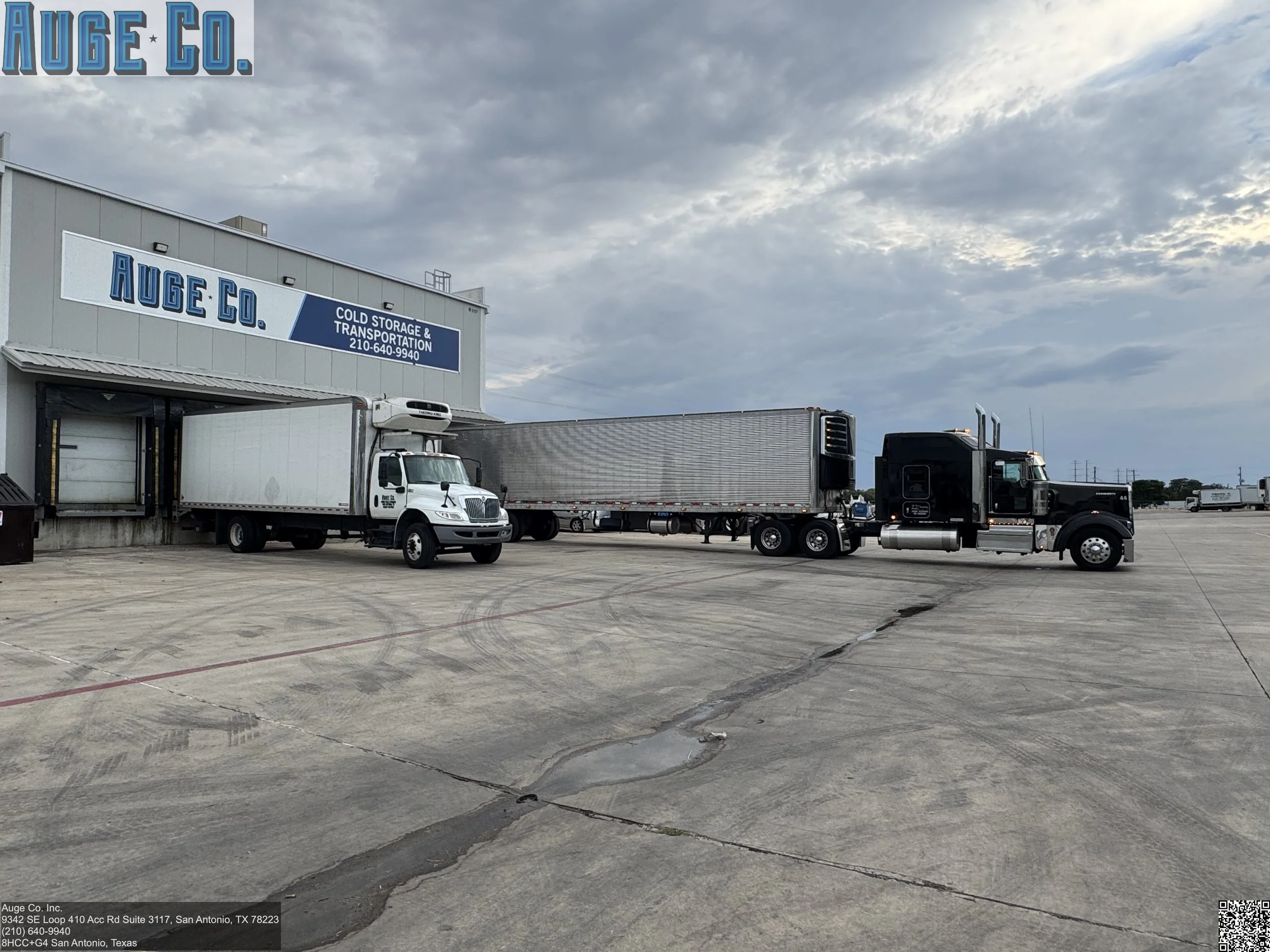
Cross-docking sounds simple on paper. A truck arrives warm, the facility sorts pallets, then loads outbound trailers with minimal dwell time. In a Texas summer, cross-docking with cold freight becomes a race. Every minute at the dock face counts. A cross dock warehouse that handles perishables well will design flows that minimize open-air exposure. That looks like pre-staged pallets in a cool ante room, doors opened only when a trailer is locked and chocked, and fast load plans that put the most sensitive pallets on last, closest to the cooling unit.
Cross-docking becomes more surgical when loads are mixed. I once watched a team reconfigure a truckload of fresh poultry, mixed produce, and frozen pastry bound for three grocers. They assigned a refrigerated door for the cool and chilled pallets and a separate frozen door for pastry, with runners moving between. The whole sequence took 38 minutes. The difference wasn’t speed alone, it was order. Door supervisors communicated in short bursts, drivers had paperwork prepped, and forklifts didn’t sit idling while someone hunted for a location.
If you search cross dock san antonio tx or cross dock near me, filter for facilities that can handle temperature segregation on the dock. Ask how many refrigerated doors they have, whether they can stage frozen and chilled simultaneously, and how they manage trailers that arrive out of spec. A good cross-docking partner says no to a bad load when accepting would hurt everyone downstream.
The role of final mile in protecting temperature integrity
Final mile delivery services close the loop. They also introduce the biggest variability. A carefully controlled warehouse does little good if your last 20 miles occur in a van with a cross dock san antonio tx tired compressor or a driver who lets doors swing. Final mile delivery services antonio tx that handle temperature-sensitive goods should have insulated bodies, separate compartments for multiple zones where needed, and telematics that provide live temperature data. For urban routes with frequent stops, air loss through the door can outpace the cooling capacity, so drivers need route plans that cluster deliveries and limit door cycles. Something as simple as using a roll curtain inside the truck can help retain cold air between stops.
Retail grocers expect on-time, in-spec deliveries, with dock temps recorded. Restaurants care about cold chain too, even if the documentation is lighter. If the final mile partner can share digital proof of temperature from pickup at the cross dock warehouse to delivery, you’ve turned a potential claim into a clean handoff.
Storage density, turnover, and why they matter
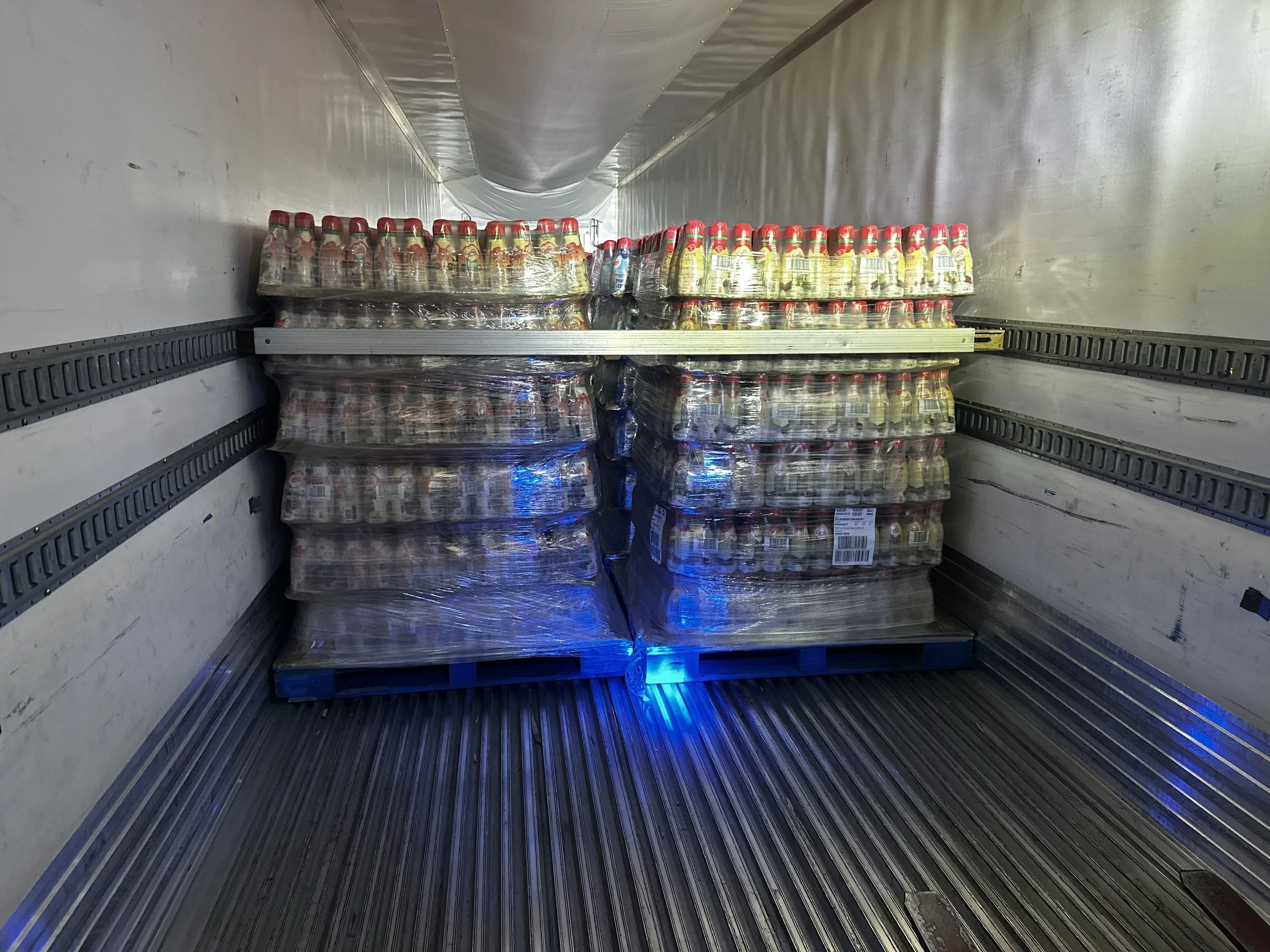
The best temperature-controlled storage balances density and airflow. High-bay racking pushes cubic efficiency but can create stacked thermal gradients if the airflow plan is weak. Drive-in racks magnify this because forklifts enter the rack, slowing movement and disturbing air. Push-back racks restrict airflow less but require careful loading discipline. In a busy cold storage warehouse near me search, you’ll see every configuration. The right one for you depends on your velocity. Fast-moving SKUs benefit from case-pick zones near docks, with replenishment from bulk storage deeper in the room.
Turnover drives everything. A slow mover in a chilled room costs more than a fast mover because it occupies valuable stable space longer and complicates slotting. If you need long dwell, ask whether the facility can place these pallets in locations with minimal door exposure, even if it means a slightly longer travel path. For clients that blend ambient controlled and refrigerated storage, a mixed campus with multiple climate zones allows a provider to flex space and contain your total cost while keeping goods where they belong.
Freight timing and pre-cooling
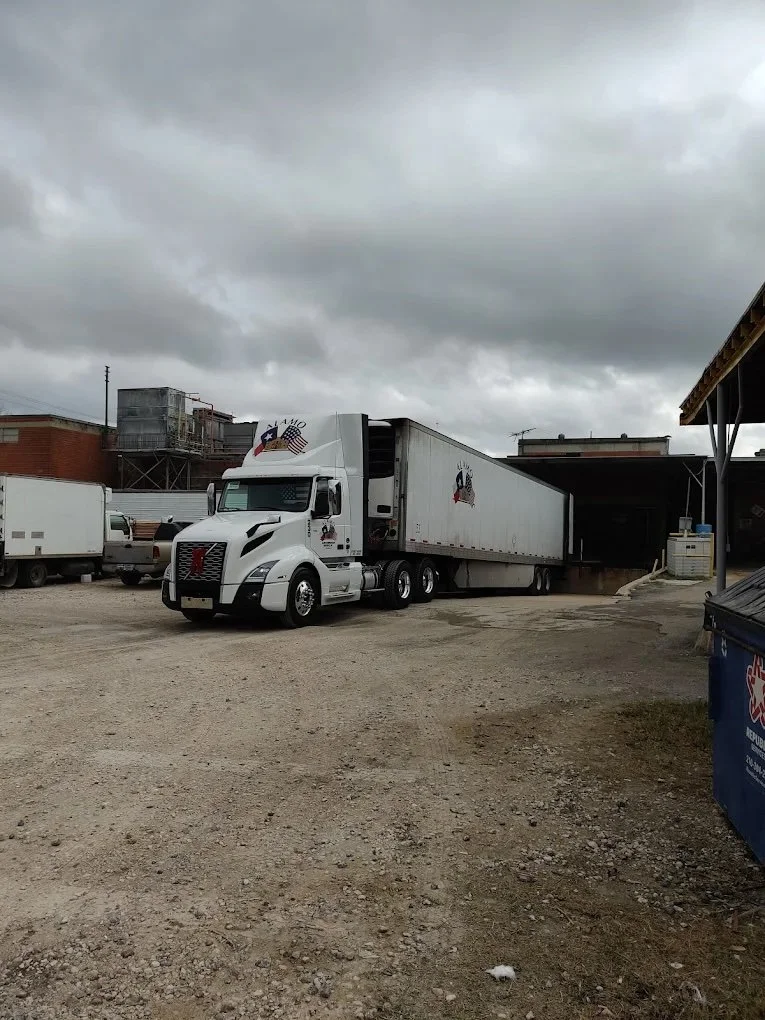
Trailers are rolling climate zones, not just metal boxes. A refrigerated trailer must be pre-cooled to the target setpoint before loading. Loading a warm trailer and expecting it to pull down with product onboard is asking for condensation and temperature excursions. I have stood inside trailers that read 80 degrees in August before pre-cool. Ten minutes later, someone was stacking eggs. Those eggs arrived with wet cartons and a claim. Good warehouses have rules: no trailer backs in until its internal temp is verified. Some facilities will even pre-cool yard trailers and cycle them to doors as they become available. You pay a bit more for that orchestration, and you save much more by avoiding damage.
Monitoring, alarms, and the human factor
Hardware sets the stage, but people run the show. Continuous monitoring systems should log temperatures at intervals no longer than five minutes for sensitive zones. Alarms shouldn’t wait for temperature to cross a boundary, they should trigger on rate of change too. If a door is stuck or a compressor trips, you want the first glance to show a curve bending toward trouble, not a completed failure.
The human piece looks like shift managers who check trend lines as part of the walk, techs who carry thermal cameras to spot insulation issues, and selectors who understand that a mis-slotted pallet can warm up next to a dock door while waiting. Training matters. I have watched a new forklift operator park a unit with a hot engine under an evaporator, tripping an unnecessary defrost cycle as the sensor warmed. Not his fault, and easy to fix with a five-minute coaching moment.
What to ask when vetting cold storage facilities
You can learn a lot from a tour, but you get even more from sharp questions and a look behind the curtain. Here is a short checklist that helps separate marketing from operational reality.
- Show me last week’s temperature logs for the zones my SKUs would occupy. I want min, max, and variance, not just the average. How do you handle door discipline during peak hours, and what equipment reduces infiltration at the dock face? Vestibules, rapid doors, dehumidification, and dock seals all count. What backup power covers my rooms, how long can you run, and when was the last load test? If you sublease space, is the generator capacity contractually guaranteed? How do you slot temperature-sensitive SKUs, and how often do you re-map micro-zones? If your answer is first-available, I know where my pallets will sit. Can your cross dock warehouse manage refrigerated and frozen cross-docking simultaneously, and do you log dock temperatures during the process?
These five answers tell you most of what you need to know.
“Cold storage near me” and finding the right fit in San Antonio
Search engines surface a mix of national providers and local operators. Both can be excellent. National outfits often bring sophisticated systems, redundant infrastructure, and validated processes. Local specialists can move faster, customize, and pick up the phone when you need a spot move at 6 p.m. The right cold storage san antonio tx partner is the one whose strengths match your risk profile.
If your product swings between ambient controlled and refrigerated seasons, a campus that supports multiple zones under one roof saves cross-touches. If you rely on promotions and see spikes, verify that your provider can flex staffing and dock capacity. If your margin is thin and claims hurt, prioritize audit-ready controls over the lowest pallet rate. And if your operation hinges on late-night deliveries to retail, make sure final mile capacity aligns with your volumes during holidays when everyone is stretched.
Cross-docking and inventory strategy
One smart way to reduce cold storage dwell is to embrace cross-docking where it makes sense. For fast-turn items that land from a producer on a predictable schedule, cross-docking cuts one handling cycle and often trims a day from the chain. In a hot market like San Antonio, that also reduces exposure to heat at each handoff. The catch is predictability. Cross-docking works when receiving times, load integrity, and outbound windows align. If you sell into customers with narrow appointment windows or frequent changes, consider a hybrid. Keep a small buffer in refrigerated storage for schedule slips, then cross-dock the bulk when the stars line up.
A cross dock near me search will show facilities that handle retail consolidation for grocers, beverage distributors, or foodservice. Walk the dock if you can. You want clean lines of movement, labeled lanes, and a sense that everyone knows where the next pallet will go before it comes off the truck. Chaos costs temperature, not just minutes.
Cost drivers you should anticipate
Cold storage isn’t just ambient storage with a surcharge. Power, maintenance, food safety protocols, and labor skill all cost more. In San Antonio, summer peaks widen that gap. Expect rates to reflect:
- Energy surcharges during high draw months. Good providers publish a formula tied to kWh cost, not a round number. Accessorials for special handling, pre-cooling, temperature logging beyond standard, and off-hours cross-docking. Minimums for frozen positions due to higher capital and lower flexibility.
You can negotiate better total cost by sharing reliable forecasts, allowing flexible slotting, and aligning pickup or delivery windows with facility rhythms. If you insist on 3 p.m. Friday outbound on mixed frozen and refrigerated pallets every week, you’ll pay for the disruption or you’ll feel it in service.
Practical edge cases
A few situations show up more often than you’d think.
Seasonal candies and cosmetics that slip into summer. They don’t need refrigeration 9 months of the year, then suddenly they do when a heat advisory sticks for a week. If your sales calendar includes hot-weather promos, plan ambient controlled or cool storage early, and talk to your provider about flex space.
Electronics and lithium batteries. These aren’t typical cold storage customers, but extreme heat degrades components and packaging. Ambient controlled storage with dry conditions helps. Make sure the facility understands hazmat rules if batteries are present.
Short-dated retail push. A grocer calls and wants a weekend demo. You find a cross dock warehouse near me that can break down pallets and rebuild mixed displays under refrigeration, then route them on final mile delivery services to a cluster of stores. It’s doable, but only if the warehouse can case-pick in the cold and the last mile vans maintain temperature with frequent door openings. Ask about inside-the-van curtains and data logging before you commit.
How to align your SOPs with your provider’s
The best outcomes happen when your internal processes fit the warehouse’s cadence. Share your product-specific tolerances, not just generic ranges. If your spec allows 33 to 41 but your QA prefers 36 to 38, say so. Provide clear labeling for temperature requirements on each pallet. If you use smart labels or time-temperature indicators, coordinate with the facility so they scan and record at the right points.
Finally, run a drill. Pick a hot day and track a pallet from inbound to storage to outbound to delivery. Compare your target temperatures to what the data shows at each step. You’ll likely find one or two easy fixes, like staging positions or dock door assignments, that tighten the chain. Small adjustments often save more product than grand redesigns.
Bringing it together
Temperature-controlled storage san antonio tx is about matching climate zones to product needs, and then executing the basics relentlessly. Good insulation, smart airflow, disciplined doors, verified power, thoughtful slotting, and people who notice small changes before they become big problems. When you layer in cross-docking for speed and final mile delivery services that protect the cold chain, you get a supply line that survives August heat without drama.
Whether you are vetting a cold storage warehouse, searching cold storage near me, or coordinating a complex cross-docking program with final mile delivery services antonio tx, keep your focus on the few variables that decide outcomes. Temperatures should be measured in multiple places, logged, and acted upon. Trailers should arrive pre-cooled and depart on time. Docks should feel organized even at rush hour. And when something slips, you should hear about it before your customer does.
The physics of heat don’t bend for anyone. In San Antonio, the best operators don’t try to fight them with brute force. They set up systems that work with the environment, anticipate the weak spots, and keep your product in the zone it needs to live. That’s the promise of temperature-controlled storage when it’s done right, and that’s how you turn climate zones on paper into real shelf life, fewer claims, and tighter margins in a hot city.