Maintaining cold chain integrity in San Antonio is not theoretical work. The heat here tests every gasket, thermometer, and SOP you have. Cargo on a trailer can swing ten degrees during a backed-up border crossing. A dock door propped open for five minutes in August can force a compressor to run for an hour. These are ordinary realities in Bexar County logistics, and they separate dependable operations from the rest.
What follows is a practical look at refrigerated storage in San Antonio TX, from facility design and temperature mapping to transportation interfaces, regulatory expectations, and the business trade-offs that often get glossed over. If you are searching for a cold storage facility San Antonio TX, or typing cold storage facility near me from an office on the South Side, the details here can help you evaluate options with more confidence.
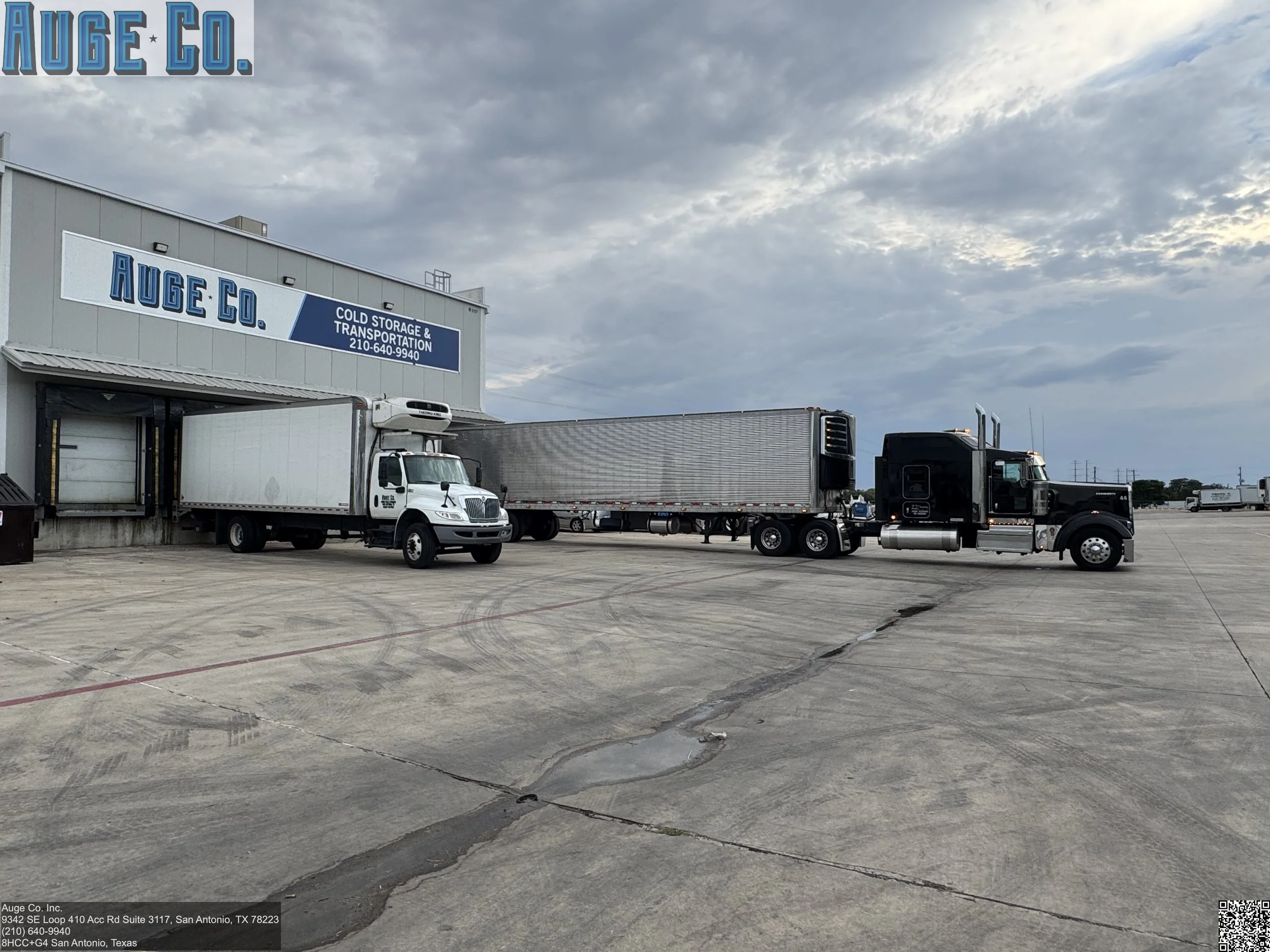
The local context: heat, humidity, and distance
San Antonio sits at the meeting point of several freight corridors. Northbound loads out of Laredo and the Rio Grande Valley pass through, and many foodservice and retail DCs supply a wide radius that includes the Hill Country, Austin, and west toward El Paso. That makes the city a natural hub for refrigerated storage and cross-docking.
Weather raises the stakes. Summer highs often top 95 degrees, and concrete yards radiate stored heat long after sunset. Door cycles spike during late afternoon receiving when trailers queue from I-35. Those conditions magnify small control failures. A strip curtain missing two panels seems trivial in March, but in July it can turn a 38-degree dock into a 44-degree problem child. Facilities built for this market use deeper dock canopies, high-speed doors with tight seals, and vestibules that create a buffer between ambient and conditioned zones. When you tour, look for those details.
What cold chain integrity actually means
People talk about the cold chain as if it were a single thing. It is a series of handoffs, each with its own risks. Integrity means the product’s temperature stays within its validated range from producer to end user, and that you can prove it. In practice, that requires four core disciplines:
- Risk-based design of spaces and equipment Standard work that anticipates failure modes Continuous monitoring with alarm thresholds that make sense Documentation that is contemporaneous and audit-ready
If even one link operates on hope rather than evidence, you run on luck. The best cold storage operators in San Antonio treat integrity like a process capability problem, not a slogan.
Facility design that holds temperature when it matters
A cold storage facility is a collection of microclimates. The freezer at -10 F behaves differently from a 34 F cooler, which behaves differently from a 55 F ripening room or a conditioned packing area. The right design accepts those differences and isolates them.
Insulation and envelope. Panel thickness, joint integrity, and vapor barriers determine whether you fight moisture intrusion year-round. In our climate, humid air finds any gap and condenses inside walls. That leads to ice buildup and delamination over time. When you visit a refrigerated storage San Antonio TX site, ask about recent thermographic inspections or invasive moisture tests. Honest operators have a schedule for them.
Airflow and stratification. Warm air rises, and poorly placed evaporators create dead zones where product warms a degree or two without tripping a return-air sensor. Good facilities use computational layouts and verify them with temperature mapping. You should see additional probes at known hot spots, not just a single master control point.
Dock design. The dock is the most violent thermal interface in the building. Watch a few unloads. If dock plates stay open between pallets, or if trailer gaps are sealed with worn foam that has split, you can estimate the added load on the system. A one-minute door opening on a 100-degree day can inject thousands of BTUs into the space. Multiply by 200 cycles and you understand why some coolers drift.
Redundancy. Compressors, evaporators, and power systems fail. Look for N+1 capacity on critical rooms, backup generators sized to run the full system, and fuel contracts that prioritize refueling during regional outages. Hurricane season may not hit San Antonio directly every year, but power interruptions happen. You want more than a brochure promise.
Temperature mapping: the unglamorous baseline
Before a facility can claim it holds 34 F, it has to prove it. Mapping is the process of placing dozens of calibrated data loggers throughout a room, recording temperatures for several days during typical operations, then analyzing the spread and drift. In a well-designed cooler, you might see a range of 33 to 36 F. In a marginal one, you will find corners that hit 39 F when traffic is heavy.
A credible refrigerated storage provider will share mapping summaries. They do seasonal checks, especially after racking changes or new door installations. They move sensors when operational patterns shift. And they do not cherry-pick. If a spot chronically runs warm, they either block it from storage or fix the airflow. That transparency is a strong predictor of performance.
Monitoring and alarms that drive action, not noise
Continuous temperature monitoring is non-negotiable, but data volume can blind you if alarms are poorly tuned. You need sensible thresholds, escalation paths, and records of how alerts were resolved. I favor a two-tier approach. Tier one catches small excursions that operators can correct locally within minutes, such as a door left ajar. Tier two flags sustained or dangerous deviations that require supervisor intervention, equipment checks, or moving product.
San Antonio’s power grid throws occasional brownouts. Voltage fluctuations can trip compressors and cause rooms to drift before generators pick up the load. Facilities that have lived through a few summers fine-tune their alarm delays and integrate them with their backup power sequence, so they neither overlook a real problem nor flood staff with false positives that train everyone to ignore beeps.
Product compatibility, stacking, and airflow in practice
Cold chain failures often hide in the details of how pallets sit in the room. Mixed-SKU consolidation can put warm arrivals next to sensitive product. Dense stacking chokes airflow, especially with shrink-wrapped loads. A good rule is to maintain a few inches between pallets and walls, and to avoid stacking that blocks evaporator discharge paths. In a facility that handles both meat and produce, cross-contamination controls matter as much as temperature. Separate rooms, separate equipment, and well-defined sanitation zones keep pathogens from hitching a ride.
I have seen a cooler hold perfect air temperature while pallet core temperatures lagged four degrees because workers stacked three-high to make space on a busy Friday. By Monday, QA had a problem. If you are evaluating a cold storage near me option, ask how they validate product temperatures during peak utilization. The answer should include core checks on high-risk items and policies that trade space efficiency for thermal performance when the two collide.
Docks, trailers, and the heat between them
Even the best rooms cannot save product if trailers arrive hot. Receivers should verify trailer air and product temperatures before unloading. Infrared guns are quick but can mislead; core probes give truth. In the San Antonio summer, a reefer that idles at a truck stop with doors open during a partial unload can arrive ten degrees high. A competent cold storage facility will either reject the load, sequester it for evaluation, or work with the shipper on a disposition. What they should not do is quietly slide those cases into the cooler and hope for the best.
Cross-docking adds complexity. Speed helps, but if dwell time reaches an hour, pallets can warm significantly on a 100-degree dock. Look for dock fans that move heat away from the product, and for staging plans that keep sensitive items closest to conditioned air. Better yet, look for dock vestibules with their own temperature control to buffer extremes.
Food safety and regulatory expectations
For food products, the Food Safety Modernization Act’s Sanitary Transportation rule sets expectations for temperature control, equipment condition, and recordkeeping. Facilities handling ready-to-eat products often mirror preventive controls programs you see in processing plants: hazard analyses, sanitation, allergen management, and environmental monitoring. While a warehouse is not a kitchen, inspectors still expect clear SOPs, traceability, and documented training.
In pharmaceuticals and medical products, Good Distribution Practice principles apply, even if the FDA or state boards are the primary regulators. For 2 to 8 C storage, mapping and calibration become more stringent, and excursion management requires documented risk assessments that consider time out of refrigeration, product stability data, and corrective actions. If a refrigerated storage San Antonio TX provider claims pharma capability, ask for a calibration schedule, deviation logs, and evidence of change control.
Energy, sustainability, and the Texas grid
Cold storage is energy intensive. Compressors run hard in Texas heat, and demand charges can sting during summer peaks. Smart operators use variable frequency drives, floating head pressure controls, and defrost strategies that minimize waste. Some enroll in demand response programs, but you have to design carefully to avoid jeopardizing product. Not every room is a candidate for temporary setpoint drift.
From a sustainability perspective, refrigerant choice matters. Many legacy systems still run on high-GWP gases. Newer facilities move toward ammonia or low-GWP synthetics. Ammonia systems require trained staff and robust safety protocols, but they deliver strong efficiency. If you care about environmental impact and long-term cost, bring refrigerants into the conversation.
Labor, training, and the human factor
Cold chain integrity depends on people making the right choices when things get busy. That starts with hiring, but training and reinforcement carry the day. The most effective facilities train with real scenarios: a trailer arrives with ice on the ceiling, a data logger shows a four-hour excursion over the weekend, a door sensor fails during a storm. They practice the responses, so the first time staff see a problem is not on a live load.
Pay attention to culture cues. Do supervisors have the authority to stop a load without getting second-guessed by sales? Are there clear lines between operations and QA, with mutual respect rather than turf battles? I watch how workers move through the building. If they badge in and out of zones, wash hands between allergen areas, and use pallet jacks with care around probe wires, you will likely see the same care in paperwork.
What to look for when you tour a cold storage facility
If you are scouting a cold storage facility San Antonio TX or searching refrigerated storage near me, a short, focused tour can tell you more than any brochure. Use your senses. Listen for compressors straining. Smell for ammonia outside of mechanical rooms. Feel for drafts near door thresholds that suggest poor seals. Look for condensation on ceilings, which signals insulation or airflow issues. Walk the perimeter and check for ice on panels where it should not be.
A credible operator will welcome questions about uptime, maintenance intervals, and incident history. They will show you their temperature logs, corrective action reports, and calibration certificates without drama. They will let you examine their spare parts inventory. And they will not promise miracles like a cooler that never drifts a degree during peak hours.
Capacity, slotting, and the business side of storage
Refrigerated storage is more than steel and compressors. The best facilities manage space like an airline manages seats. They know their turns, average dwell, and seasonality. If you move berries or leafy greens, your requirements differ from frozen proteins. Discuss pallet heights, overhang tolerances, and labeling standards early. Mismatches at the dock kill speed.
Pricing reflects the complexity of your needs. Expect one rate for ambient or temp-controlled docks, another for cooler, and a premium for freezer. Accessorials matter: case picking, rework, relabeling, export documentation, and after-hours access. Energy surcharges appear in contracts more often during Texas summers. Negotiate them, but budget realistically. Cheap storage that loses one load a year is expensive storage.
Technology and traceability that earn their keep
There is no shortage of software and sensors in logistics. The question is what adds value. For cold storage, look for systems that integrate WMS data with temperature monitoring, so you can see product locations alongside environmental trends. That allows smarter slotting and faster root-cause analysis when excursions occur. Handhelds that scan and log product temps at receiving, with time stamps that tie to PO numbers, save headaches later.
Data loggers inside pallets, especially for high-risk loads, provide an extra layer of evidence. They are worth the cost for pharmaceutical products and sensitive produce. The caveat is to plan retrieval and data access. I have seen sensors buried in the middle of the load that no one can reach when a dispute arises.
Transportation partners and the last fifty miles
San Antonio’s refrigerated storage ecosystem relies on carriers who understand pre-cooling, continuous run modes, and fuel management in triple-digit heat. If your loads deliver to independent grocers or restaurants around the metro area, plan routes to minimize door openings. A driver who stops for three small drops before your store can hand you product a few degrees warm even if the reefer unit runs perfectly.
Share SOPs with carriers. Specify setpoints, air chute requirements, and whether you accept cycle-sentry modes. Agree on a communication protocol for delays. When a reefer breaks down on Loop 410 at 3 p.m. in August, every minute counts.
Special cases: cross-border freight and inspections
Traffic from Mexico is a daily reality. Inspections at the border or inland can stall trucks. If you run cross-border perishables, consider a cold storage facility near me that offers rapid transload, bilingual staff, and familiarity with customs and FDA holds. A facility accustomed to import inspections will have segregation procedures, quarantine zones, and clear sign-offs before product re-enters the main flow. These capabilities shorten dwell and protect temperatures when paperwork slows things down.
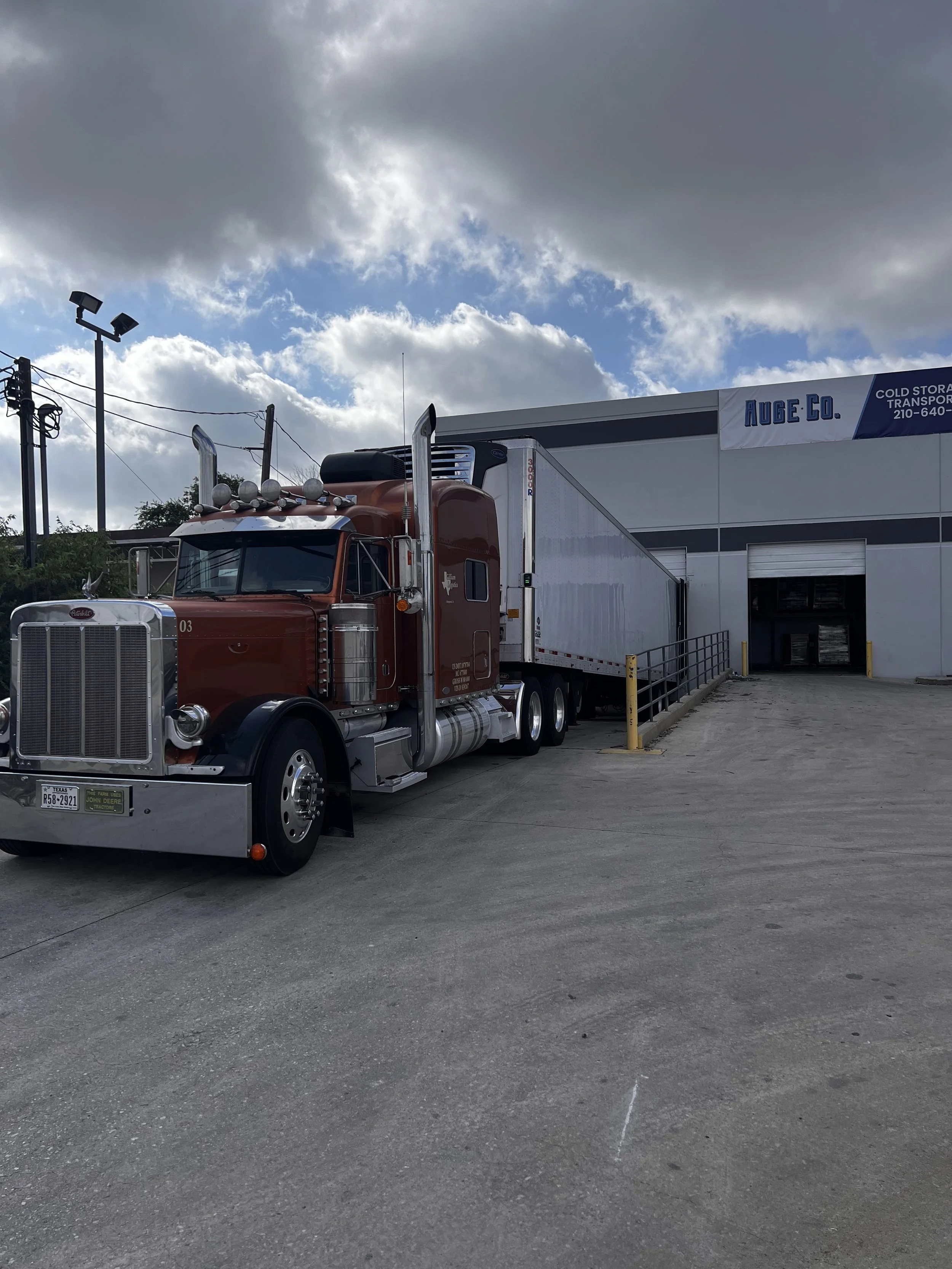
When to choose shared space versus dedicated rooms
Shared refrigerated storage lowers cost for smaller volumes, but it introduces variability. Temperatures in a shared cooler fluctuate more with door cycles from other tenants. Dedicated rooms give tighter control and simplify sanitation, especially for allergen or odor-sensitive goods like seafood and cheese. I often suggest a hybrid. Use shared space for stable, packaged items that tolerate modest swings. Reserve dedicated space for high-risk or high-value lines where a single excursion hurts the brand.
Practical questions to ask prospective providers
A short set of specific questions cuts through most sales gloss.
- How often do you perform temperature mapping, and may I see the last two reports for the rooms I would use? What is your corrective action procedure for a documented excursion over two hours? Who authorizes release? Describe your redundancy. If the main compressor on my room fails, what is the backup and how quickly does it engage? Show me calibration certificates for your primary sensors and handheld probes. What is the calibration schedule? During last summer’s peak heat, what was your average room drift during the busiest receiving windows?
Use their answers to probe deeper. The goal is not to catch anyone out, but to find operators who think the way you do about risk.
Local examples and lessons
I worked with a San Antonio facility that expanded cooler capacity by converting a former ambient aisle and got stung by condensation. Warm, humid air from the adjacent staging area found a path through a poorly sealed penetrant. Over three weeks, ice formed behind the panel and warped the surface. They shut down the aisle, tore out two panels, and re-sealed with a proper vapor barrier. Costly, but they did it right, and they added a weekly walk with an infrared camera to catch future anomalies. The lesson is simple: growth without envelope discipline invites water, and water in a cooler always wins.
Another operator learned the hard way refrigerated storage that weekend skeleton crews and alarm fatigue go together. A Saturday morning power sag tripped several units. Alarms fired, a supervisor acknowledged them by phone, and assumed auto-restart covered it. Two rooms came back, one did not. By Monday, some cases sat borderline. They kept the product on hold, contacted customers, and pulled stability data where available. Most of the inventory survived, but the team changed procedures. Now, any alarm acknowledgment triggers a physical check of the affected room, not just a screen confirmation. They also installed remote cameras focused on control panels, so supervisors can see status lights before driving in.
Finding the right fit in San Antonio
There are several reputable cold storage San Antonio TX options, from large multi-customer facilities to specialized refrigerated storage providers tied to particular industries. Your best fit depends on volume, product type, regulatory burden, and expected growth. If you are moving high-turn foodservice SKUs, prioritize dock speed, accurate case picking, and driver appointment flexibility. For pharma, weight data integrity and validated systems outrank everything else. If you serve c-stores and small grocers, after-hours access and rapid will-call matter more than an extra degree of tightness in a cooler setpoint.
When evaluating a cold storage facility near me, resist the urge to choose solely on rate. A nickel per case saved is erased by a single claim, and claims do not capture brand damage. Ask providers to walk you through a recent deviation they managed. The best ones will describe a problem plainly, explain what they changed, and show results. That humility is a better predictor of performance than any glossy drone footage of racking.
Building your own playbook for integrity
Cold chain integrity in San Antonio is achievable with disciplined processes, the right infrastructure, and the humility to learn from heat and time. Write your own playbook. Define acceptable temperature ranges for each SKU family. Set receiving criteria that include product and trailer checks. Agree with your provider on alarm thresholds, response times, and authority to hold or release product. Schedule quarterly joint reviews where you examine data together, not just invoices. Track trends: door cycles per hour, average dwell, alarm counts, corrective actions taken. Numbers tell stories if you let them.
When you get it right, the payoff shows up quietly. Fewer surprises on Monday mornings. Stronger shelf life. Drivers who spend less time at the dock. Customers who stop calling about soft berries or warm dairy. That is the mark of a cold chain that holds together, even when the parking lot shimmers at 3 p.m. and the thermometer on the wall outside reads 102.
If you are searching cold storage near me or refrigerated storage near me and operating in or around Bexar County, use the questions and cues above as your filter. Find a partner who shows their work. In this market, with this heat and these lanes, integrity is not a slogan. It is a habit, built one controlled door swing at a time.
