Food freezes beautifully when it is handled with respect. The flip side is that mistakes at subzero temperatures do not reveal themselves right away. You see the consequences weeks later as ice-crusted packaging, leathery textures, and flavors that went dull. Cold storage is supposed to stop the clock, not distort the product. Getting it right involves more than setting a thermostat. It is about understanding food science at the pallet level, designing traffic and airflow that do not fight each other, training people to treat time as an ingredient, and picking facilities with systems you can trust.
I have walked enough freezers to know the difference between a cold room and a cold program. You can smell it. A dialed-in freezer smells faintly of cardboard and nothing else. A compromised one carries the low note of volatile fats or a sweet, freezer-burn tang. That nose test matches the data nine times out of ten.
This guide explains how quality endures across the cold chain, from blast freezing through storage and distribution. It pulls in practical numbers, trade-offs, edge cases, and the details that matter whether you operate a national brand, supply restaurants, or search for cold storage near me that will not wreck your margins or your product.
What frozen quality really means
Freezing stops microbial growth and slows chemical reactions, but it does not pause them completely. The goal is to lock in structure, moisture, and flavor in a way that still holds after months in a freezer and a predictable thaw.
In practice, quality comes down to three things. First, ice crystal size. Rapid freezing forms small crystals that do minimal damage. Slow freezing pierces cell walls, and the drip you see when thawing seafood or meat is that lost cell fluid. Second, oxidation. Even at zero Fahrenheit, fats will oxidize. The rate is slower, yet not zero, and oxygen trapped in packaging feeds it. Third, dehydration. Water wants to sublime from food surfaces into the cold, dry air, then deposit as frost elsewhere. That is freezer burn. The balance of temperature, humidity, airflow, and packaging decides how quickly it happens.
Most cold storage standards aim for minus 10 to minus 20 Fahrenheit for hard-frozen goods. You will see minus 10 F as a common minimum. Ultra-cold setpoints, say minus 40 F, have their place for long-term storage of high-fat items and for certain scientific products, but costs climb sharply as you drop below minus 20 F.
The blast freeze moment
The single most important hour in a frozen product’s life happens before it ever hits a conventional cold storage warehouse. Blast freezers or spiral freezers drive product through the ice crystal formation zone fast. The industry shorthand is reducing the product core from 32 F to 25 F within an hour, and from there to 0 F as quickly as load thickness allows. That early push limits crystal growth. You can do a lot later with packaging and careful handling, but you cannot undo oversized crystals.
Thickness sets the speed limit. Glazed seafood portions at 20 millimeters can pass through a spiral tunnel in 20 to 40 minutes, while a 2.5-inch roast may need hours and a staged approach. Air velocity and contact matter too. Laying hot product on cold racks without airflow creates a thin ice sheath at the contact points and leaves warm pockets inside. You get the visual of frost without a fully frozen core, a classic setup for moisture migration and microbial risk.
One caution from the floor: do not let pallets sit in a cooler waiting for space in the blast freezer. That limbo is when the temperature drifts through the zone where enzymes and psychrotrophic bacteria still operate. Queue management, not more horsepower, often fixes this.
Storage temperature is necessary, not sufficient
The setpoint is a promise. The process is the delivery. Most facilities run freezers between minus 10 and minus 20 F and coolers for refrigerated storage between 34 and 38 F. The difference in quality over time, between a tight minus 10 F and a sloppy minus 10 F that swings 6 to 8 degrees during door cycles, is not academic. Those swings condense moisture on packaging, drive humidity down, and bump sublimation rates. Sensitive items like ice cream, which likes minus 20 F to protect overrun and texture, show it first. You see sandiness and shrinkage on the lid after a few door-heavy days.
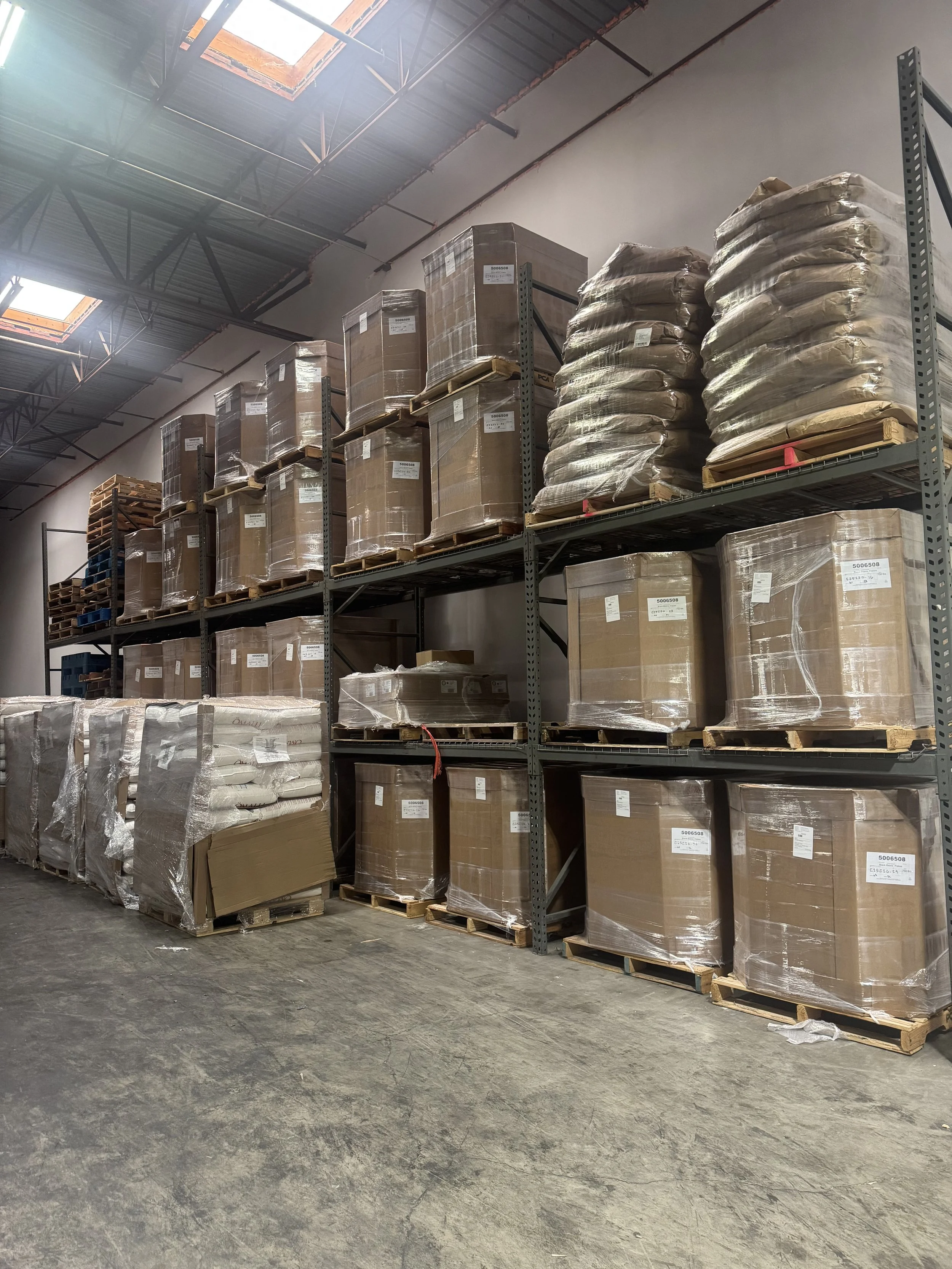
The best cold storage facilities use fast-acting evaporators, variable-speed fans, and vestibules or air curtains at dock doors. They keep return air paths clear and treat boxes as airfoils, not bricks. Pallets with tight stretch wrap and solid walls create dead zones that trap heat. That heat shows up as localized frost or sweating when the pallet moves.
If you are touring a cold storage warehouse near me, ask to see continuous temperature logs, not just a snapshot. Look at the worst of a summer afternoon during busy receiving. Fifteen minutes of chaos tells you more than a morning average.
Humidity balance and frost control
People think of freezers as dry, but humidity still matters. Too dry and you accelerate surface dehydration. Too wet and you feed frost on coils and floors. Once frost coats an evaporator, it insulates the coil, drops capacity, and drives longer run times. That heat load creates more melt water and then refreezes as floor ice near thresholds. It’s a loop you don’t want to start.
Facilities break the loop with scheduled defrosts matched to load patterns. Poor defrost scheduling leaves you with mid-shift temperature bumps and ice stalactites. Good scheduling keeps coils clean without raising case temperatures appreciably. You can spot the difference by checking the defrost schedule against shipping peaks. If defrosts land in the middle of heavy picking windows, product temperatures will tell the tale.
Packaging helps regulate humidity at the product level. A tight primary wrap plus a case liner creates a microclimate that decouples the food from ambient swings. For delicate items like puff pastry, I prefer a poly liner with low oxygen transmission rate plus a final shrink wrap to reduce air exchange.
The role of packaging and oxygen control
Packaging is the second freezer. It separates product from air movement and oxygen. Vacuum skin packs and high-barrier films slow oxidation in fatty items like salmon or ready-to-bake croissants. They also reduce sublimation. The trade-off is cost and the need for precise sealing. A barely visible channel in a seal invites freezer burn lines shaped exactly like that leak.
For bulk frozen produce, the liner thickness and fit matter. A loose bag inside a case flaps under airflow and pumps air in and out with every pressure shift near a door. That micro-bellows effect accelerates moisture loss. The fix can be as simple as a better-fit liner or a modest change in case fill height to reduce headspace.
Cartons also shield against light, which can drive oxidation even at low temperatures. I have seen ice cream turn and fish yellow along the edges when stored in clear plastic within a bright freezer. Light plus oxygen is a fast route to flavor loss.
Time at temperature and realistic shelf life
Printed shelf life is a compromise between food science and commerce. You will commonly see 6 to 12 months for frozen vegetables at minus 0 to minus 10 F, 6 to 9 months for fatty fish, and up to 18 months for lean meats stored consistently below minus 10 F. Ice cream often carries 2 to 6 months depending on formulation and setpoint.
Those numbers assume tight control. Every excursion trims them. A pallet that sits at 10 to 15 F during a long loading cycle, then goes back to minus 10 F, has experienced an accelerated aging event. Keep a simple rule in mind: time above 0 F counts against quality quickly, and time below minus 10 F buys you margin.
Facilities that track product temperatures with embedded data loggers or Bluetooth probes get a clearer picture than ambient air sensors alone. Air can return to setpoint in minutes after a door closes. The dense core of a pallet lags by hours. If you have had surprises with thawing loss, run a trial with a few discreet probes at the center and corners of a representative pallet. The data pays for itself.
Inventory rotation, pallet design, and airflow
Airflow is the quiet engineer of a good freezer. It does not like walls, overhangs, or solid decks. Basic pallet design choices can either work with or against the system. Four-way pallets with open deck boards allow better vertical circulation than solid tops. That small detail changes how fast a newly received pallet pulls down to setpoint.
Warehouse slotting matters too. Putting mixed-SKU, high-touch pick faces near doors loads those zones with heat and foot traffic. Staging bulk reserve deeper in the room reduces door cycles on the product that benefits most from stability. If you ask a facility about pick path design and they show you a heat map or pick density map, that is a positive sign. They are measuring the right things.
Rotation is not just first-in, first-out. It is first-expiring, first-out, which accounts for items with different shelf lives even if they arrived together. Tying lot codes to specific bays reduces the chance that a pallet hides behind a newer one. I have pulled mystery pallets with thick frost beards from the shadow of a high-density rack. Nobody wins in that situation.
The people factor
Technology sets the stage, but people hold the line. Small behaviors quietly influence outcomes. Closing dock curtains every time, nudging case lids back on during picking, rejecting a pallet with broken film instead of hoping for the best. Supervisors who praise a loader for taking an extra minute to rewrap a pallet send a signal about priorities.
Training should connect actions to consequences. When staff hear that a minute of door time at 100 F outside air dumps roughly 1.5 to 2 BTUs per cubic foot of warm air into the freezer, it stays abstract. When you show them a thermal image of a door opening, then a 20-minute temperature recovery curve, it clicks. After we did that at a facility in a hot climate, door dwell times dropped by about a third without a single reprimand.
Transportation links the cold rooms
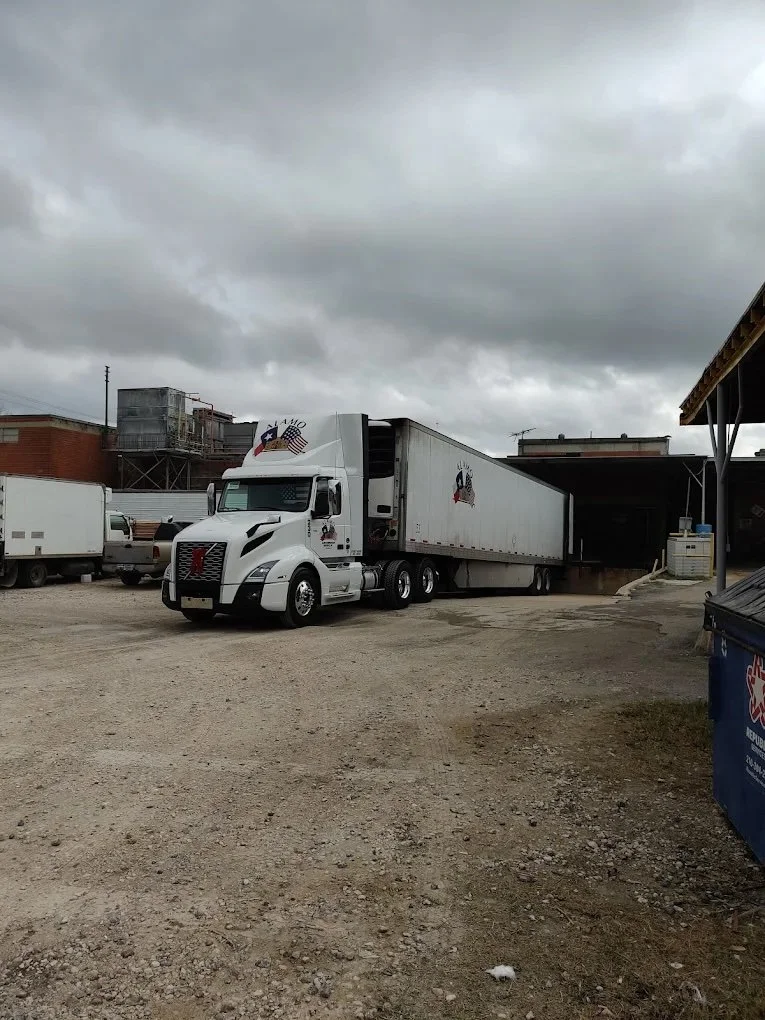
Many quality losses happen between great rooms. The truck is part of the warehouse. Reefers should pre-cool, and product should meet them already near setpoint. Loading warm product into a cold trailer invites condensation on packaging and the trailer ceiling. Those droplets fall during transit, and the next receiving clerk opens a wet pallet that will freeze into a block in the destination freezer. The cascade starts with a missed pre-cool or a hurry-up on the dock.
Airflow in trailers matters just as much. Floor channels need to stay clear. Pallets should sit an inch off the walls to avoid short-circuiting the air. The nose of the trailer runs cold, the tail lags, and a long dwell at a receiver with doors open exaggerates that gradient. If you distribute in heat, aim for tight appointment windows and drop trailers quickly.
For multi-stop routes, confirm that your carrier uses remote monitoring and will share temperature tracebacks. Good partners do not treat that as proprietary. If a route shows repeated spikes at certain stops, you can adjust sequence or loading patterns to protect the most sensitive goods.
Finding and vetting a cold storage partner
Search queries like cold storage near me or cold storage warehouse near me will turn up a stack of options. Names and addresses tell you very little. A short, focused vetting process saves time and grief. If you operate in South Texas, searching cold storage San Antonio TX or refrigerated storage San Antonio TX will surface both national operators and regional specialists. The same goes for temperature-controlled storage San Antonio TX if you handle both chilled and frozen SKUs.
Here is a fast field guide that fits on a notepad.
- Evidence of control: ask for 90 days of temperature logs for the specific rooms you will use, plus defrost schedules. Look at extremes, not averages. Clear process on receiving: how do they verify core temperatures, document condition, and triage pallets with damaged wrap or warm spots? Facility design fit: do they offer blast freezing, or will you arrive already frozen? Is the racking compatible with your pallet sizes and weights? Packaging and labeling support: can they rework, label, or rewrap if arrival condition is borderline? What are the fees and typical turnaround times? Data integration and traceability: can they tie lot codes to locations and provide real-time inventory, with alerts for temperature excursions?
When you tour, carry a small IR thermometer. Do not point it at product for a core reading, but use it on surfaces, doors, and coils to spot outliers. If the dock feels like a wind tunnel into the freezer and you see fog hanging in the air, the facility is fighting infiltration. Look at the floors around doors for clear ice. Persistent glaze means melt water is not draining well, or defrost timing conflicts with traffic.
If you operate in or near Bexar County, several cold storage facilities in and around San Antonio have invested in modern controls to handle heat and humidity swings. Still, ask hard questions because the climate tests even good systems in late summer. Temperature-controlled storage near me might turn up cross-dock specialists who do not hold long-term frozen inventory. That can be fine if your turns are rapid. If you need months of hold, pick a true cold storage warehouse San Antonio TX with deep-freeze capacity, robust insulation, and enough dock doors to prevent queueing.
Cost transparency and the real drivers
Cold storage pricing varies by market, temperature band, and service level. Expect tiers: ambient, refrigerated storage in the mid-30s, and deep freeze at minus 10 to minus 20 F. In many U.S. markets, frozen pallet storage often prices higher per pallet per month than chilled, and handling fees reflect the extra time and equipment needed in freezers. Energy surcharges may apply seasonally. In hot climates, summer can add load-based fees, which is logical given what the compressors are up against.
What moves the needle most is dwell time, cube efficiency, and special handling. A product that stacks safely to the rack beam with minimal dead air costs less to store than an awkward size that burns rack positions. If you need frequent case picks from freezer conditions, ask about pick fees and whether they can stage picks in a tempering cooler to protect workers without warming product.
Push for clarity on accessorials. Pallet exchange, rewrap, rework, after-hours receiving, minimum monthly charges, and appointment fees are common. None of these are unreasonable by themselves. Surprises are the problem.
Food safety and regulatory alignment
Cold storage exists inside a regulated framework. In the U.S., FDA’s Preventive Controls rule under FSMA requires written hazard analyses and preventive controls, including temperature management and sanitation. USDA applies to meat and poultry with its own oversight. For importers, FDA’s Foreign Supplier Verification Program ties your recordkeeping to what happens in storage.
Ask about third-party audits like SQF or BRCGS. Audit scores are not perfect, but they show whether a facility is used to documentation, corrective actions, and traceability tests. Ask to see a mock recall report. A facility that can trace a lot from receipt, through movement, to outbound in under two hours is operating at a level that protects you when time is tight.
Pest control in freezers often gets overlooked because the environment is hostile to most pests. The loading docks and break rooms decide that score more than the freezer does. A quick scan of bait station logs and sanitation schedules tells you whether basic discipline exists.
Edge cases that deserve attention
Some products do not follow the standard playbook. Chocolate, for instance, blooms if temperature cycles through the mid-50s to mid-60s. It often ships ambient in winter and chilled in summer. If you use refrigerated storage for chocolate in hot months, keep it steady, then stage it in a tempering area before loading so condensation does not form on the bars when they meet humid air.
Ready-to-bake croissants, puff pastry, and laminated doughs carry layers of fat that fracture under vibration when frozen augecoldstorage.com cold storage warehouse San Antonio TX too hard and handled roughly. Use tighter setpoints and gentler handling. Stacking height matters more than usual. I have reduced customer complaints by simply dropping stack height one layer to reduce compression.
Frozen berries are fragile in a different way. They are fine as a block, less fine under repeated micro-thaw cycles in case pick areas. If you supply foodservice, consider case designs with perforations that allow airflow while protecting berries from point loads. It sounds small, but a less-than-ideal case can double the amount of fines at the bottom of a case after a month of normal handling.
Practical checks for operators and buyers
If you manage your own facility or rely on a partner, build a short rhythm of checks that focus on causes rather than symptoms. A weekly walk with purpose beats a long quarterly audit that lands too late.
- Door discipline review: measure door-open time during peak hour, sample five events, and calculate average dwell. Shorter is better, but consistency is the real tell. Coil condition and defrost effectiveness: visually inspect evaporators for frost build and confirm drain lines are clear. Note room temperature before and after scheduled defrosts. Pallet integrity at receiving: count damaged wraps and open cases as a percentage of receipts. Track by vendor. Fixes often start upstream. Temperature trace spot-check: compare ambient sensors, probe readings on case surfaces, and the center of a representative pallet using a calibrated probe where allowed. Inventory age profile: pull a report of lots beyond 80 percent of stated shelf life. Walk a sample. Stale stock often hides behind faster movers.
Keep the list short to respect the two-list rule of thumb for your team, and rotate deeper checks monthly.
A word on local context: San Antonio and similar climates
Markets like San Antonio face triple-digit heat, high humidity events, and long stretches of warm nights that give systems little relief. If you are evaluating temperature-controlled storage San Antonio TX options, ask about thermal breaks at docks, vestibule design, and whether the facility uses desiccant dehumidification for high-traffic zones. I have seen two facilities side by side with similar compressor tonnage, but the one with well-tuned vestibules and air curtains at the docks handled summer with smoother curves and fewer defrost cycles.
Power reliability counts more here. In areas with grid stress, look for backup generation sized to hold at least freezers, not just emergency lights. Ask for a written load-shed plan that prioritizes critical rooms. During an outage a few summers ago, one operator saved product by consolidating pallets into the best-insulated room and sealing it, while another tried to run everything at partial power and lost ice cream texture across a third of the inventory. Decisions in the first hour decide the outcome on day three.
When quality slips, salvage with intention
Not every excursion ruins product. If a pallet warms into the teens for a short period, your options depend on the item. Breaded chicken may tolerate a refreeze without quality loss if ice crystals have not enlarged. High-fat ice cream rarely does. Document what happened, segregate the lot, and perform sensory checks. If you decide to release it, shorten the shelf life and adjust customer allocations to move it sooner. Be transparent with buyers. Small, early honesty beats a quiet, late problem.
When freezer burn appears, rework might be possible. Trimming filet perimeters or repacking to remove frost can salvage part of a lot. The economics are straightforward. Labor plus yield loss must net out favorably against the cost of disposal and replacement. Keep a simple model, not just a gut feel, and remember the intangible cost of a disappointed customer.
The long view
Cold storage does not make food better. It preserves whatever you hand it. That truth keeps everyone honest. Invest in the fast freeze at the front, hold the line on temperatures and airflow, keep oxygen and humidity in check, and move inventory with a purpose. If you are selecting a partner, whether a national operator or a cold storage warehouse San Antonio TX, look past polished floors to the small systems and habits that keep numbers tight when conditions are the hardest.
Quality is not mysterious in a freezer. It is measurable, accumulative, and reversible only up to a point. The teams who understand that treat time as a scarce resource, space as a tool for airflow, and data as a way to confirm what their senses already suspect. They open a case after six months and see exactly what they expected: food that tastes like the day it went in.
Auge Co. Inc 3940 N PanAm Expy, San Antonio, TX 78219 (210) 640-9940 FH2J+JX San Antonio, Texas